The European Union brings together 27 countries and about 450 million inhabitants. Born of the Treaty of Rome in 1957 with six founding countries (Belgium, France, Germany, Italy, Luxembourg and the Netherlands), it expanded in successive waves until Croatia joined in 2013; the United Kingdom left in 2020. This table presents the 27 member states with their capital, their year of accession and their membership of the euro area and the Schengen area.
| Country | Capital | Accession | Euro | Schengen | |
|---|---|---|---|---|---|
 |
Austria | Vienna | 1995 | € | ✓ |
 |
Belgium | Brussels | 1957 | € | ✓ |
 |
Bulgaria | Sofia | 2007 | € | ✓ |
 |
Croatia | Zagreb | 2013 | € | ✓ |
 |
Cyprus | Nicosia | 2004 | € | – |
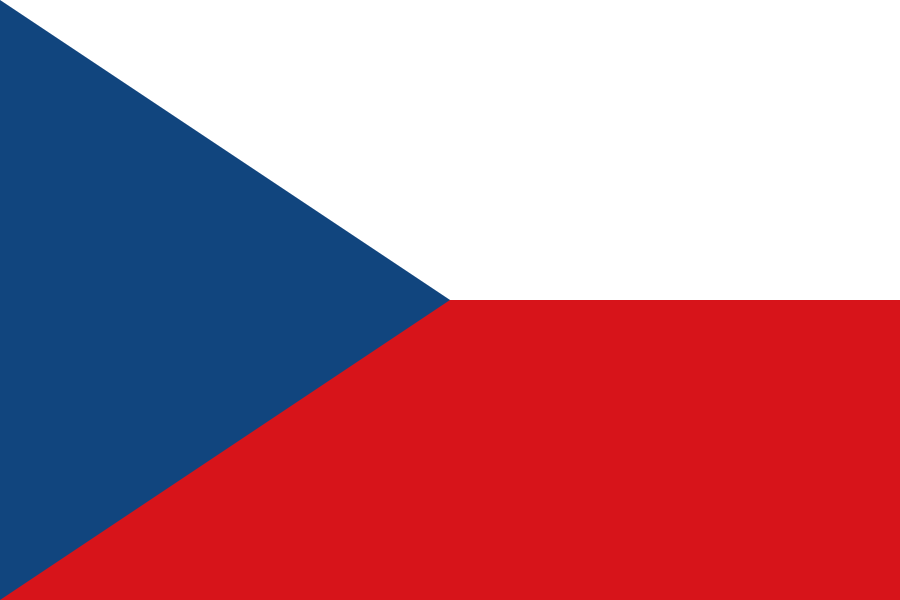 |
Czech Republic | Prague | 2004 | – | ✓ |
 |
Denmark | Copenagen | 1973 | – | ✓ |
 |
Estonia | Tallinn | 2004 | € | ✓ |
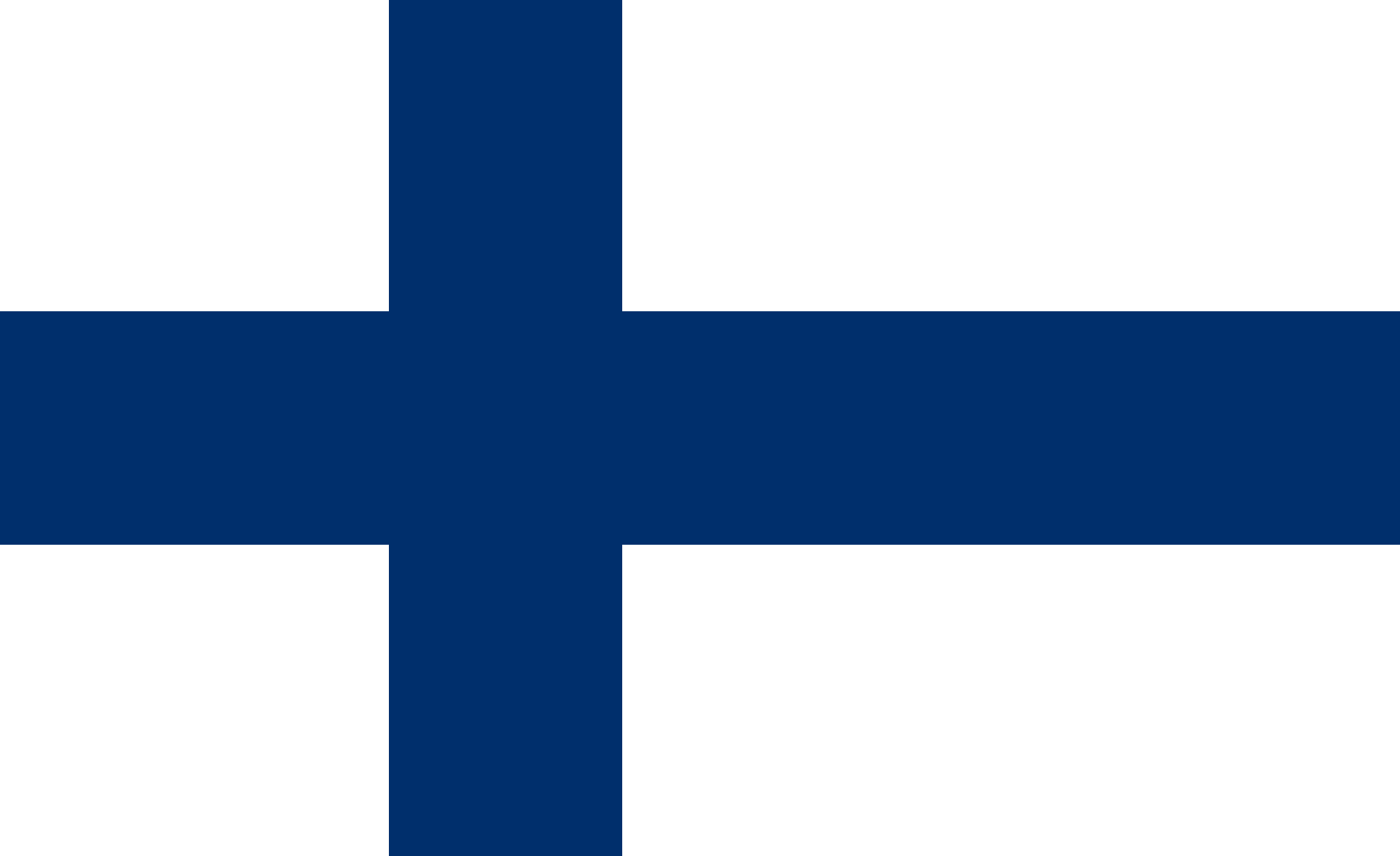 |
Finland | Helsinki | 1995 | € | ✓ |
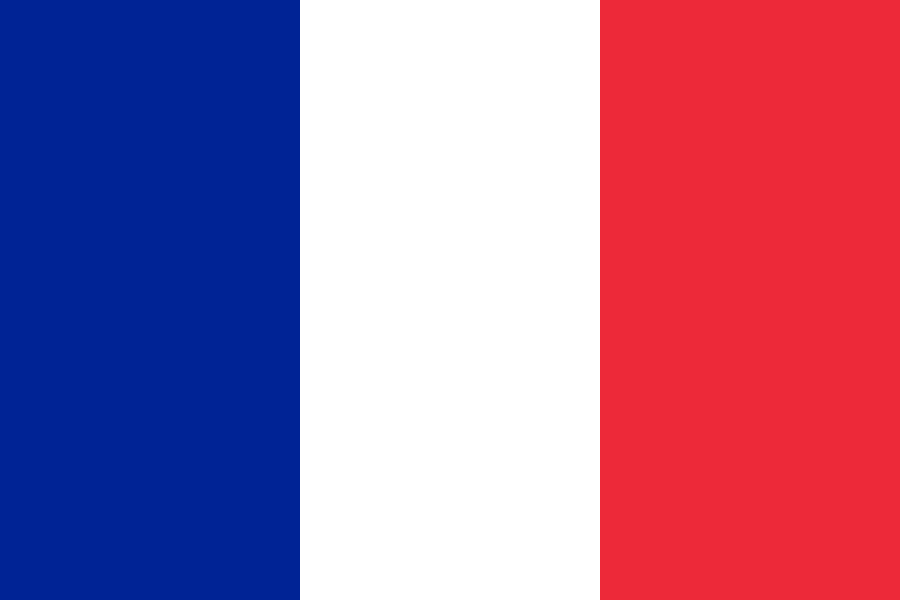 |
France | Paris | 1957 | € | ✓ |
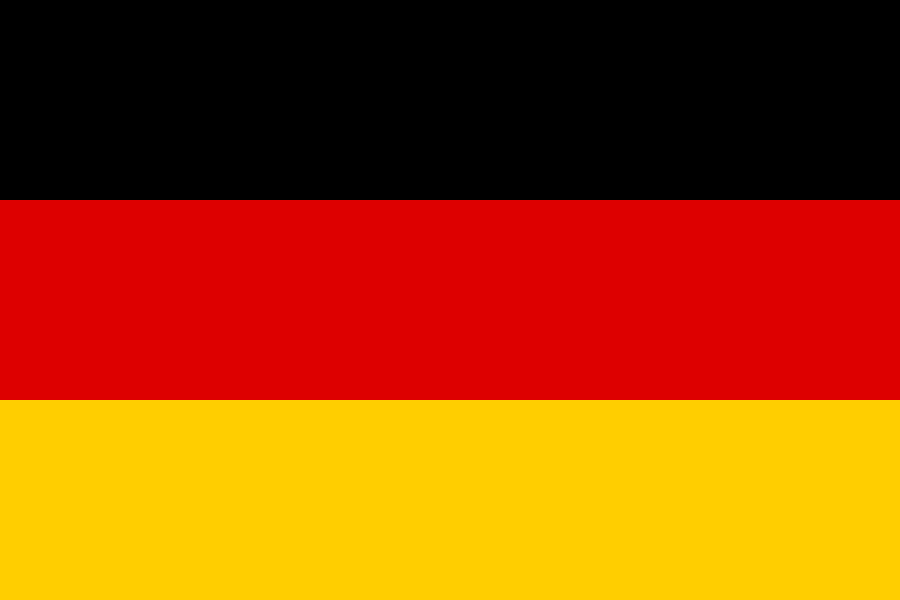 |
Germany | Berlin | 1957 | € | ✓ |
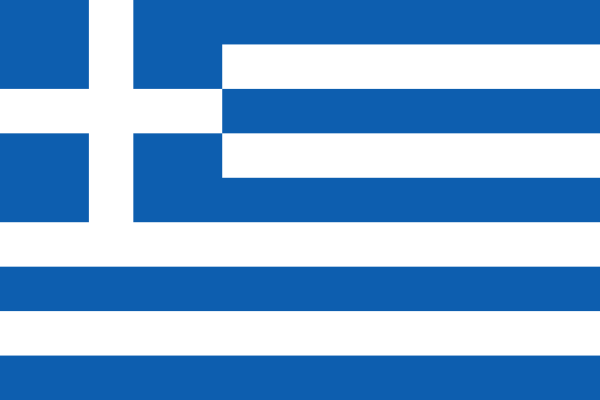 |
Greece | Athens | 1981 | € | ✓ |
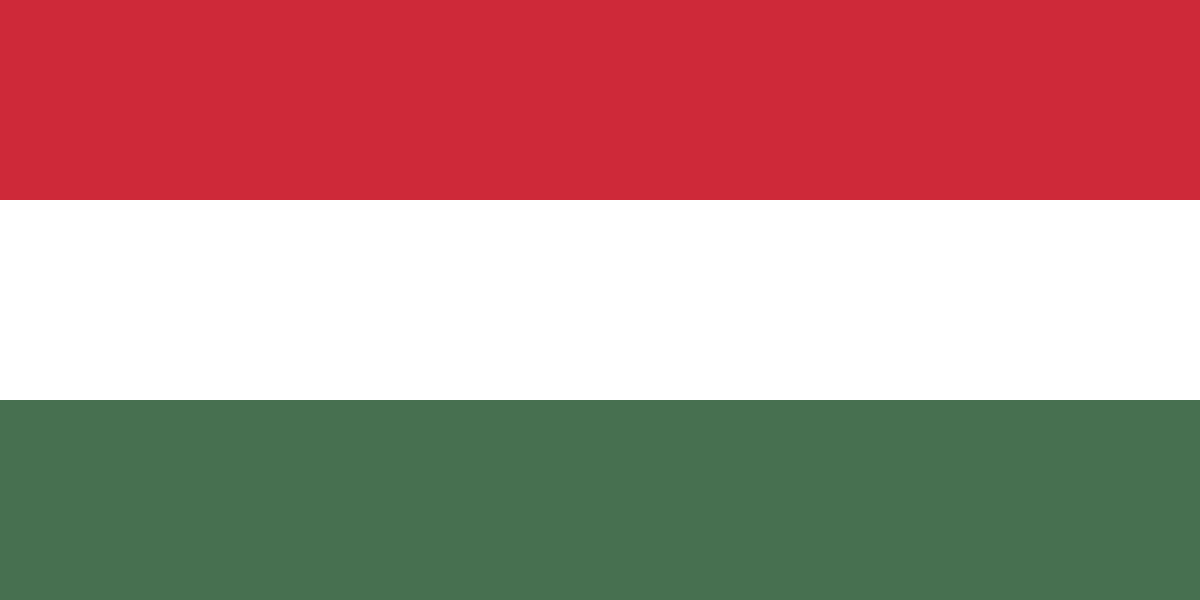 |
Hungary | Budapest | 2004 | – | ✓ |
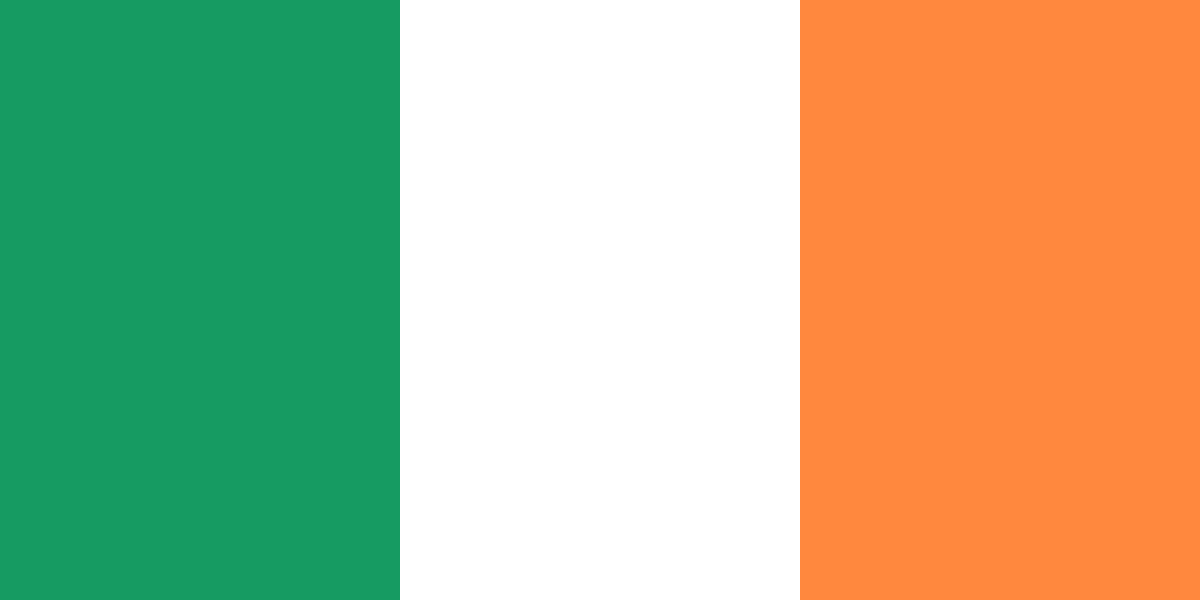 |
Ireland | Dublin | 1973 | € | – |
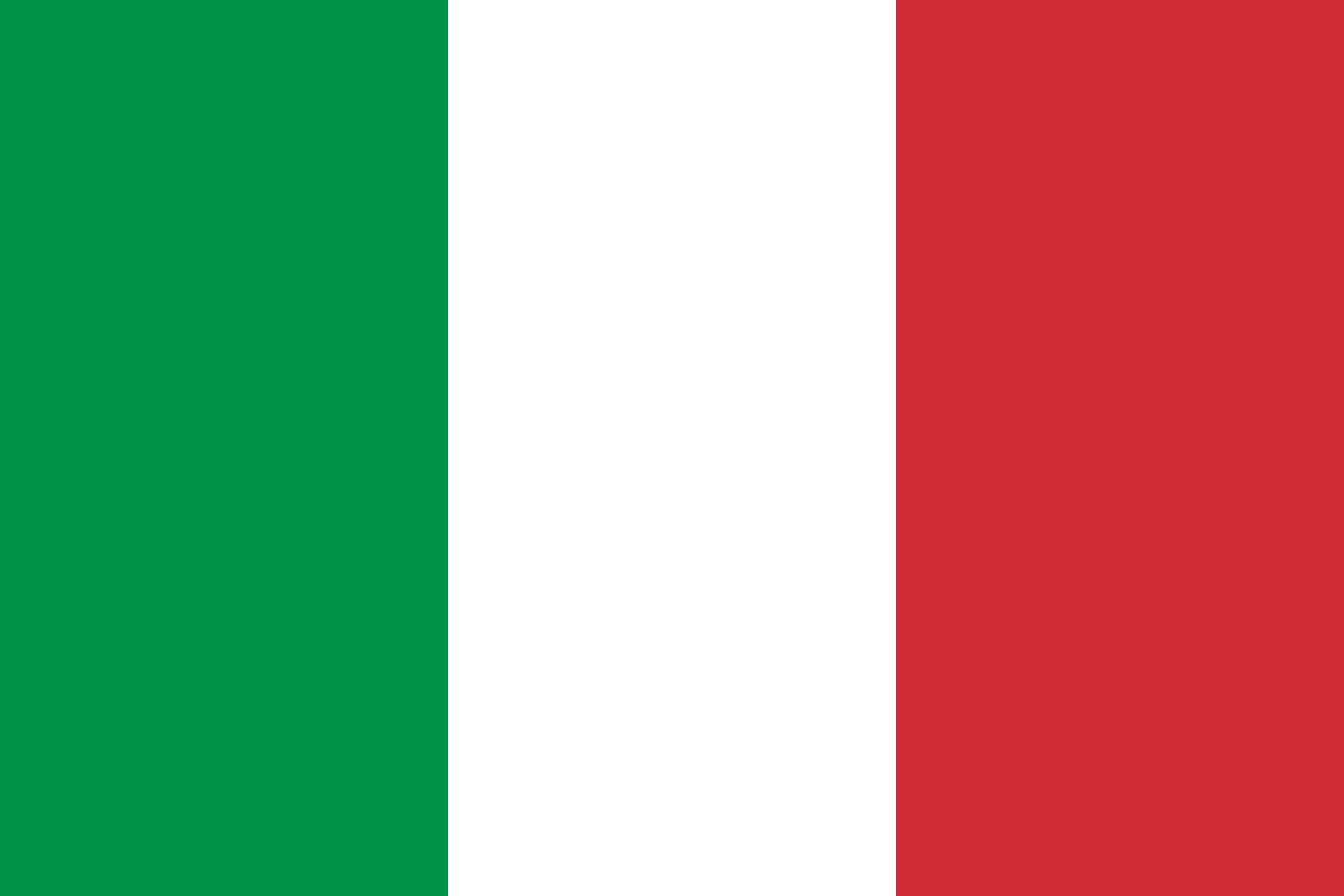 |
Italy | Rome | 1957 | € | ✓ |
 |
Latvia | Riga | 2004 | € | ✓ |
 |
Lithuania | Vilnius | 2004 | € | ✓ |
 |
Luxembourg | Luxembourg | 1957 | € | ✓ |
 |
Malta | Valletta | 2004 | € | ✓ |
 |
Netherlands | Amsterdam | 1957 | € | ✓ |
 |
Poland | Warsaw | 2004 | – | ✓ |
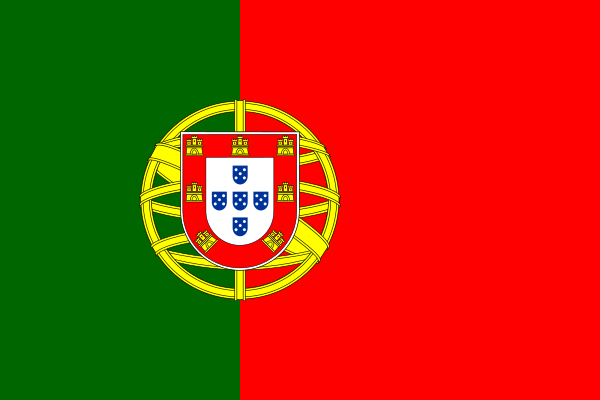 |
Portugal | Lisbon | 1986 | € | ✓ |
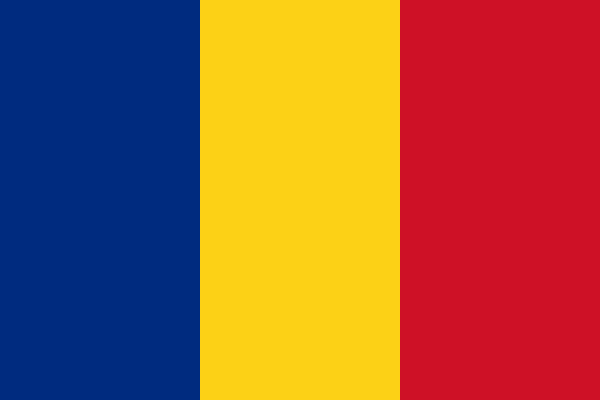 |
Romania | Bucharest | 2007 | – | ✓ |
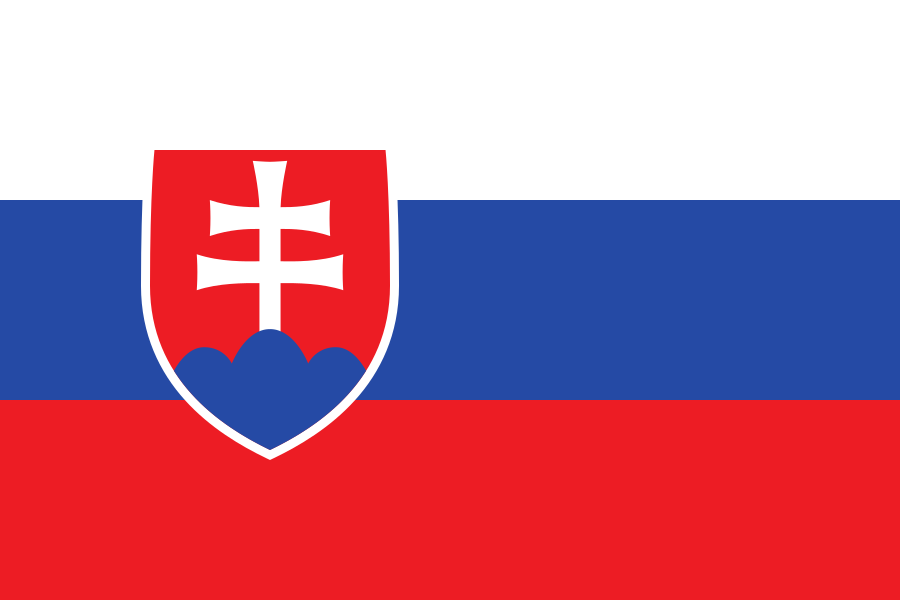 |
Slovakia | Bratislava | 2004 | € | ✓ |
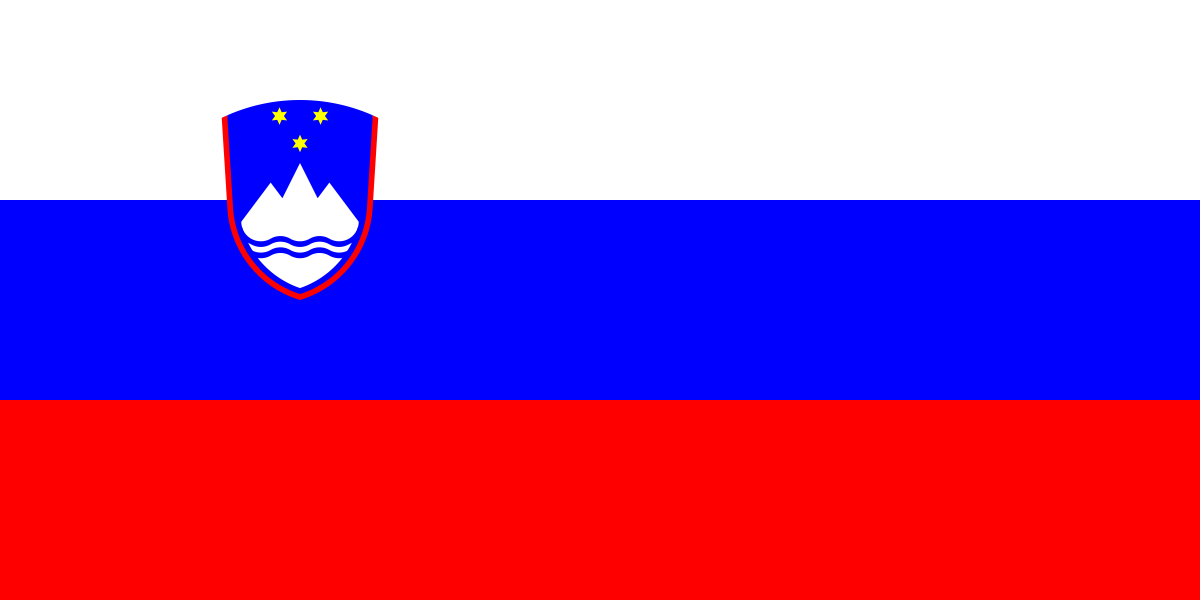 |
Slovenia | Ljubljana | 2004 | € | ✓ |
 |
Spain | Madrid | 1986 | € | ✓ |
 |
Sweden | Stockholm | 1995 | – | ✓ |
FAQs about the European Union
How many countries are in the European Union?
The European Union has 27 member states since the United Kingdom left (Brexit) in 2020. The six founding countries of 1957 are Belgium, France, Germany, Italy, Luxembourg and the Netherlands; the most recent country to join is Croatia, in 2013.
Which countries are in the euro area?
The euro area has 21 countries since Bulgaria adopted the euro on 1 January 2026. Six EU countries keep their national currency: Denmark, Sweden, Poland, Czechia, Hungary and Romania.
What is the difference between the European Union and the Schengen area?
The European Union is a political and economic union of 27 states, while the Schengen area is a zone of free movement without internal border controls. It comprises 29 countries: 25 EU member states (all except Ireland and Cyprus) and 4 associated states (Iceland, Liechtenstein, Norway and Switzerland).
Which countries are candidates to join the EU?
Nine countries are official candidates for accession: Albania, Bosnia and Herzegovina, Georgia, Moldova, Montenegro, North Macedonia, Serbia, Türkiye and Ukraine. The most advanced negotiations concern the Western Balkans, Moldova and Ukraine.