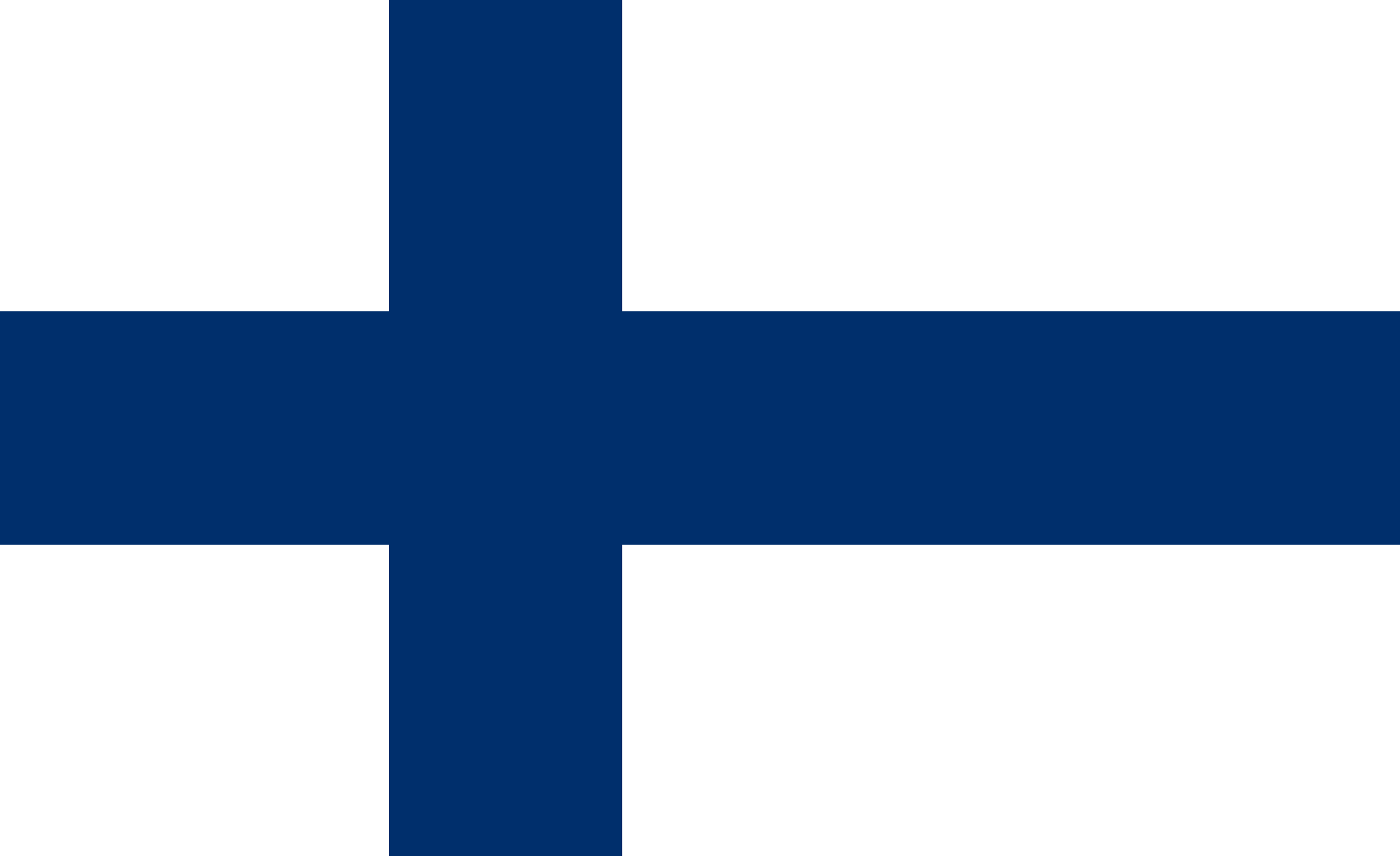
14th century
-
Politics
Treaty of Nöteborg
Sweden and the Novgorod Republic fixed their border across Finland for the first time. The west and south of the country, Christianised and settled since the 12th century, were now part of the Kingdom of Sweden, for nearly five centuries.
16th century
-
Culture
The New Testament in Finnish
The Lutheran reformer Mikael Agricola published the Finnish translation of the New Testament. Also the author of the first primer, he is regarded as the father of written Finnish.
19th century
-
Politics
Finland becomes a Russian grand duchy
Defeated by Russia, Sweden ceded Finland to it by the Treaty of Fredrikshamn. Tsar Alexander I made it an autonomous grand duchy, with its own laws and institutions; Helsinki became the capital in 1812.
-
Culture
Publication of the Kalevala
The physician Elias Lönnrot published the Kalevala, an epic compiled from folk songs collected in Karelia. The work became the symbol of Finnish identity and inspired the national movement, as well as the composer Jean Sibelius.
20th century
-
Society
Universal suffrage and votes for women
A parliamentary reform introduced universal suffrage and gave women the right to vote and stand for election, a first in Europe. In the 1907 elections, nineteen women entered parliament.
-
Politics
Independence of Finland
Taking advantage of the October Revolution in Russia, the Finnish parliament proclaimed independence, which Lenin's government recognised as early as 31 December. 6 December is the national day.
-
War
Finnish Civil War
The socialist “Reds”, backed by Bolshevik Russia, fought the government “Whites”, led by General Mannerheim and helped by Germany. The Whites' victory in May was followed by repression and camps where thousands of prisoners died.
-
War
Winter War
The Soviet Union attacked Finland, which held out for more than three months with a much smaller army and ski troops used to the extreme cold. The Moscow Peace Treaty of March 1940 cost it Karelia, but it remained independent.
-
Sport
Helsinki Olympic Games
Helsinki hosted the Summer Olympic Games, marked by the Soviet Union's first participation and the three victories of the Czechoslovak Emil Zátopek in the 5,000 m, 10,000 m and marathon. The flame was lit by the legendary Finnish runner Paavo Nurmi.
-
Politics
Helsinki Final Act
Thirty-five states of Europe and North America, including the United States and the Soviet Union, signed in Helsinki the Final Act of the Conference on Security and Co-operation in Europe. It recognised the post-war borders and committed the signatories to respect human rights.
-
Politics
Accession to the European Union
Finland joined the European Union together with Sweden and Austria, then adopted the euro from 1999, the only Nordic country to do so.
21st century
-
Politics
Accession to NATO
After Russia's invasion of Ukraine, Finland gave up its military non-alignment and became the thirty-first member of the Atlantic Alliance, doubling NATO's land border with Russia.
Other country timelines
 Austria15 BC – 1995
 Belgium57 BC – 2016
 Bulgaria681–2007
 Croatia925–2018
 Czech Republic1348–2004
 Denmark965–2024
 France58 BC – 2024
 Germany9–1991
 Greece3000 BC – 2004
 Hungary895–2004
 Ireland432–2015
 Italy753 BC – 2002
 Luxembourg963–2025
 Monaco1297–2005
 Netherlands69–2001
 Norway872–2011
 Poland966–2004
 Portugal218 BC – 1986
 Romania106–2007
 Russia862–2022
 Serbia1217–2006
 Spain218 BC – 1992
 Sweden793–2003
 Switzerland58 BC – 2002
 Ukraine988–2022
 United Kingdom43–2016
Last updated: