-
Politics
Ethnic identity cards
The Belgian colonial administration, which had governed Rwanda since the First World War, introduced identity cards stating whether the holder was Hutu, Tutsi or Twa. It thus froze social distinctions that had previously been fluid, while relying on a Tutsi elite.
-
Politics
Independence of Rwanda
Three years after the Hutu “social revolution” of 1959, which led to the abolition of the Tutsi monarchy and drove tens of thousands of Tutsi into exile, Rwanda became independent under the presidency of Grégoire Kayibanda.
-
War
Genocide against the Tutsi
The day after the attack on President Juvénal Habyarimana's plane, extremist Hutu soldiers and militiamen, the Interahamwe, began exterminating the Tutsi and killing moderate Hutu. In about a hundred days some eight hundred thousand people were massacred, while the international community stood by.
-
War
The RPF takes Kigali
The Rwandan Patriotic Front, an armed movement formed by Tutsi exiles and commanded by Paul Kagame, took the capital and ended the genocide. More than a million Hutu, including many of those responsible for the massacres, fled to neighbouring Zaire.
-
Society
The first parliament with a female majority
In the parliamentary elections, women won more than half the seats in the Chamber of Deputies, a world first. The country, rebuilt under Paul Kagame's authority, has enjoyed strong growth but a tightly controlled political life.
Other country timelines
 Algeria202 BC – 2019
 Angola1575–2002
 Cameroon1472–1990
 Democratic Republic of the Congo1482–2019
 Egypt3100 BC – 1979
 Ethiopia330–2020
 Ghana1482–2010
 Ivory Coast1843–2024
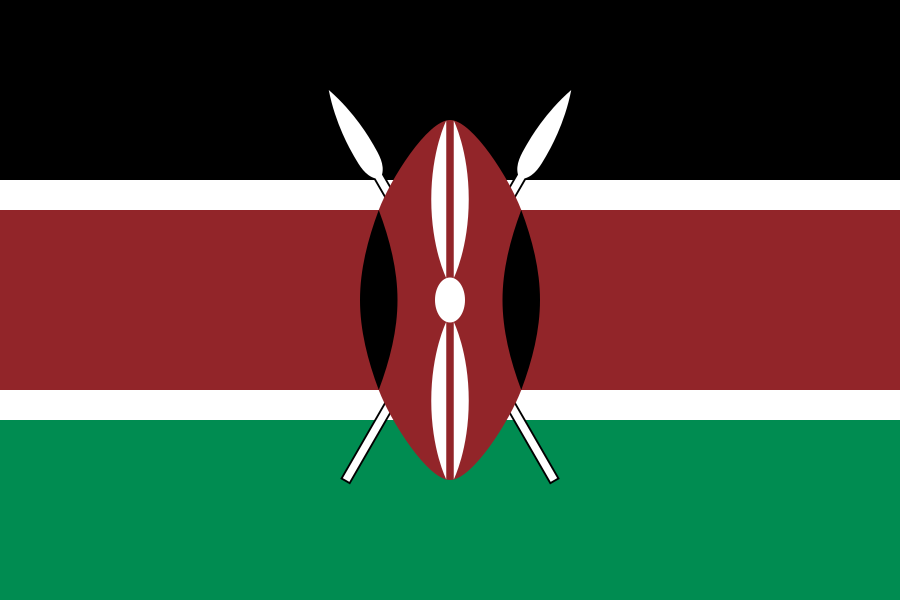 Kenya1498–2019
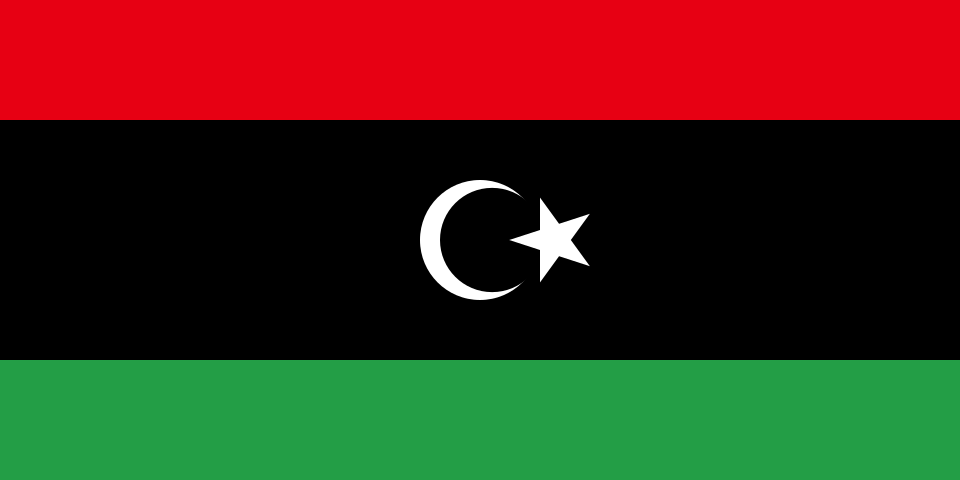 Libya631 BC – 2023
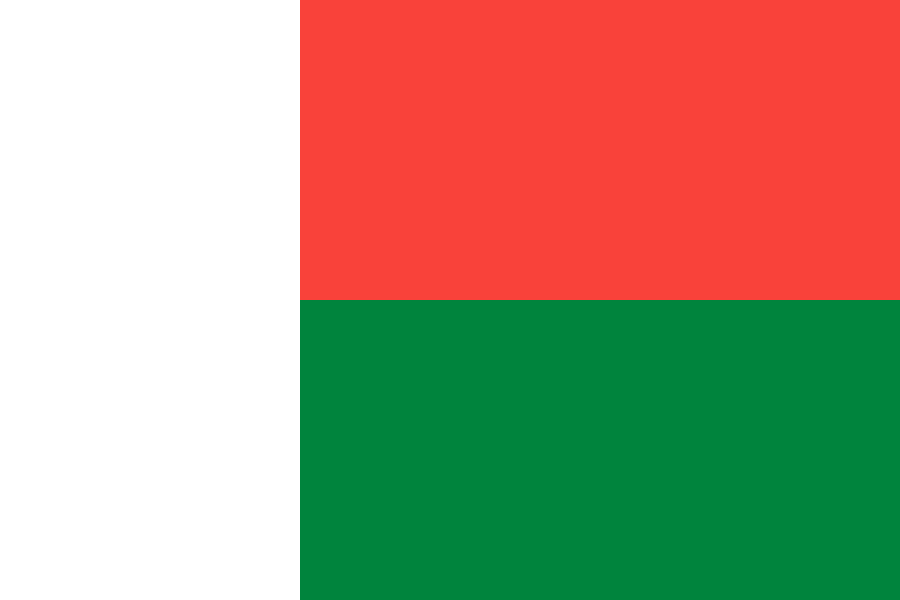 Madagascar1500–2025
 Mali1235–2020
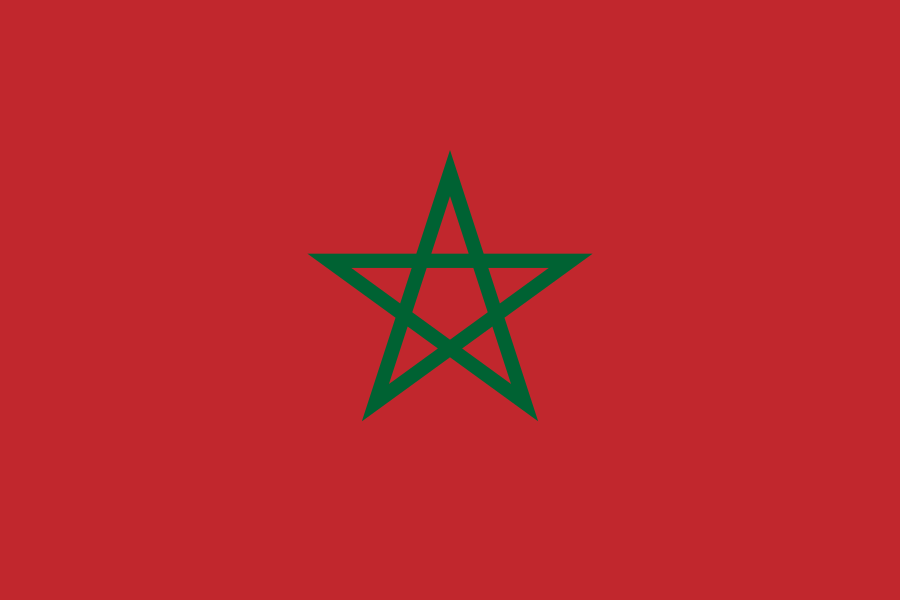 Morocco40–2022
 Mozambique1498–2019
 Nigeria500 BC – 2014
 Senegal1444–2024
 South Africa1075–2010
 Sudan750 BC – 2023
 Tanzania1331–1979
 Tunisia814 BC – 2021
 Uganda1862–1986
 Zimbabwe1100–2017
Last updated: